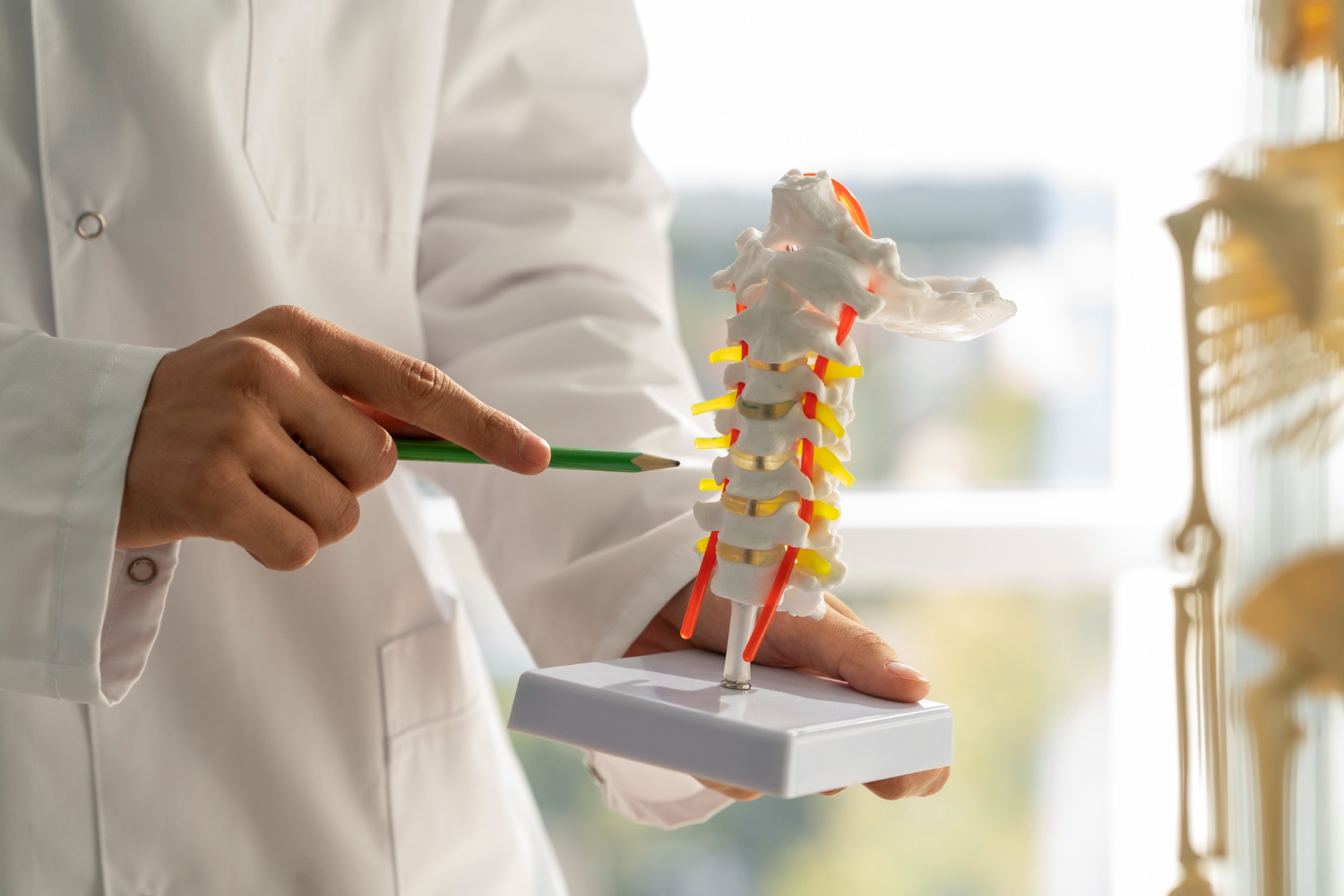
Back pain and spinal disorders can be among the most debilitating conditions a patient faces. However, the field of spine surgery has undergone a paradigm shift. Today, our focus is no longer just on stabilizing the spine, but on preserving motion and utilizing robotic precision to ensure the most predictable outcomes possible.
Redefining Precision with Robotic-Assisted Surgery
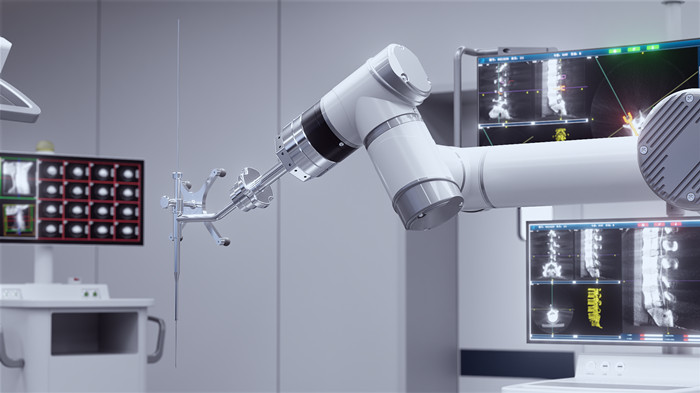
In complex spinal reconstruction and cervical spine surgery, millimeters matter. The integration of robotic-assisted technology and advanced navigation systems allows for a level of accuracy that was previously unattainable. Whether we are addressing scoliosis, spinal trauma, or degenerative disc disease, these technologies allow for smaller incisions, less disruption to the surrounding muscle, and a significantly faster recovery trajectory.
As part of my commitment to pioneering these techniques, I collaborate with the multidisciplinary team at Commons Clinic. This partnership ensures that my patients have access to the most advanced surgical suites and a comprehensive care model that spans from initial diagnosis through advanced physical rehabilitation.
Minimally Invasive Microsurgery: A Focus on Motion
For many patients, the goal of surgery is to maintain the spine’s natural range of motion. Through minimally invasive microsurgery and motion-preservation techniques—such as artificial disc replacement—we can often avoid the limitations of traditional spinal fusion. By targeting the source of pain with surgical “micro-precision,” we reduce postoperative discomfort and help patients return to their daily lives with greater mobility.
Expert Spine Care in Santa Monica and Marina Del Rey
A successful outcome is built on more than just the procedure; it’s built on a comprehensive clinical foundation. Dr. Khurana provides high-level spine care at two primary Westside clinical hubs:
- Santa Monica: Located at 2901 Wilshire Blvd, Suite 300, serving patients across Santa Monica, Brentwood, and West LA.
- Marina Del Rey: Located at 13160 Mindanao Way, Suite 300, convenient for patients in Venice, Playa Vista, and Culver City.