
Start with the decision in front of you
- If you have a report and want help preparing for an appointment, start with what to bring to an MRI review.
- If another clinician has proposed a procedure, use the spine surgery second opinion checklist to organize the recommendation and your questions.
- If walking is still limited after physical therapy, use the leg pain follow-up checklist to describe what improved and what is still hard to do.
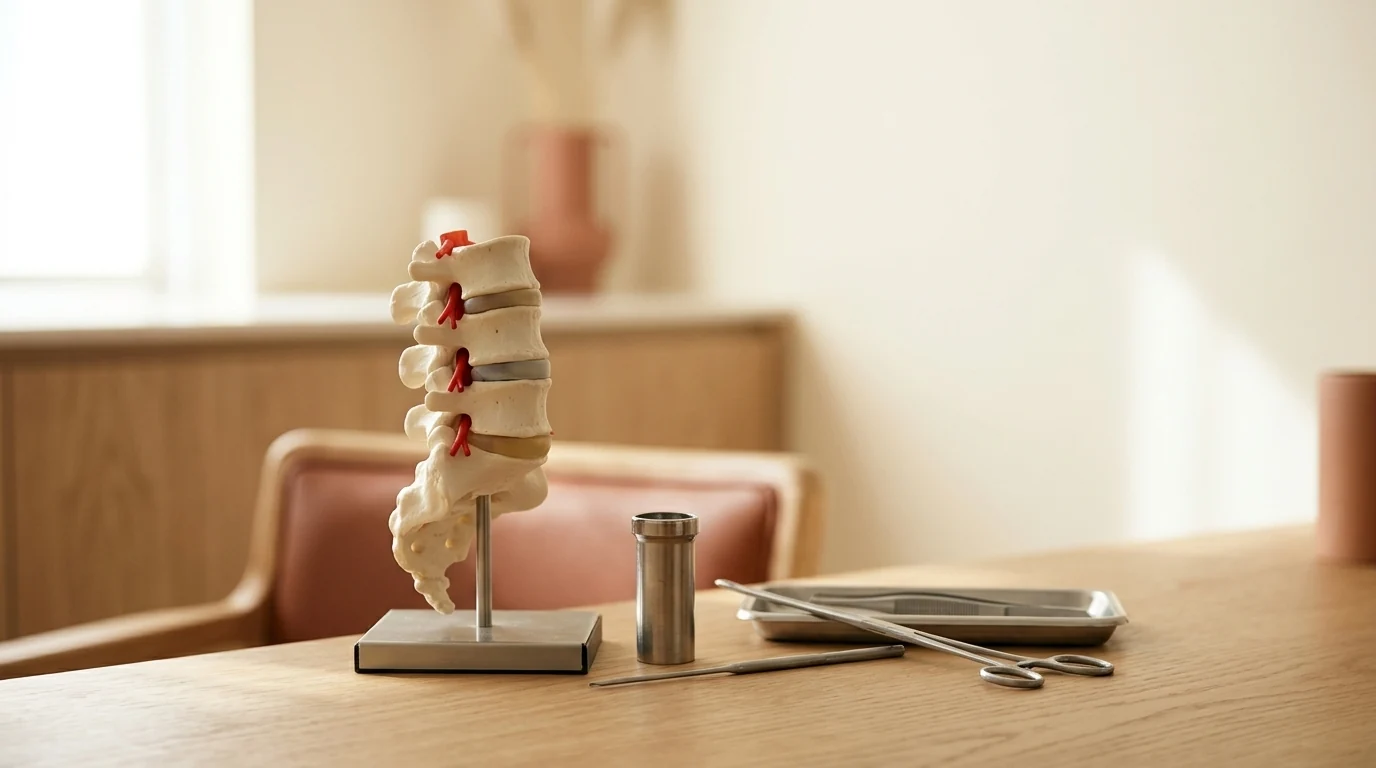
Minimally Invasive Spine Surgery
Minimally invasive spine surgery uses small incisions and advanced techniques to treat spinal conditions, reducing pain, recovery time, and scarring.
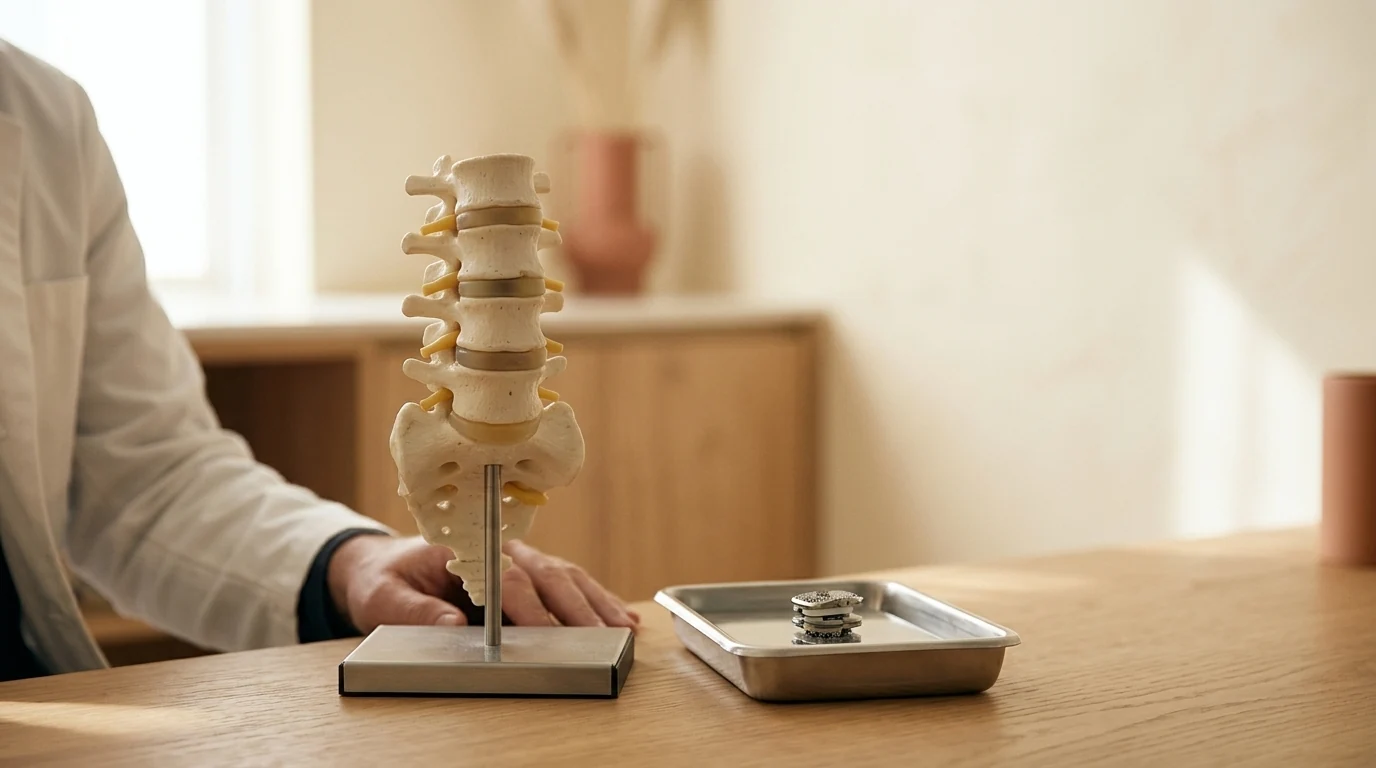
Artificial Disc Replacement Surgery
Artificial disc replacement surgery removes a damaged spinal disc and replaces it with an artificial implant, preserving motion and reducing pain.
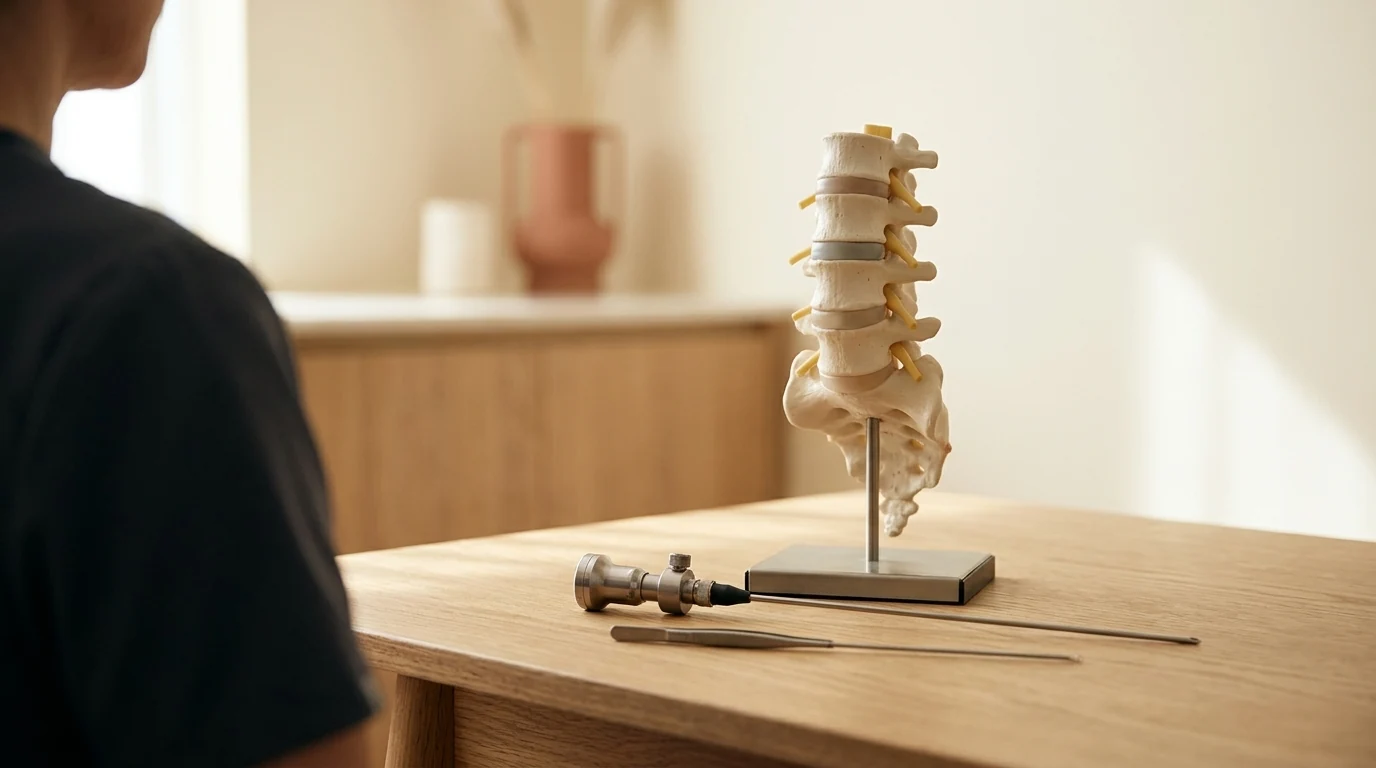
Endoscopic Spine Surgery
Endoscopic spine surgery uses a tiny camera and specialized instruments through small incisions to treat spinal conditions with faster recovery.

Scoliosis Treatment & Correction
Scoliosis treatment and correction focuses on reducing spinal curvature, improving alignment, relieving discomfort, and enhancing overall posture and mobility.
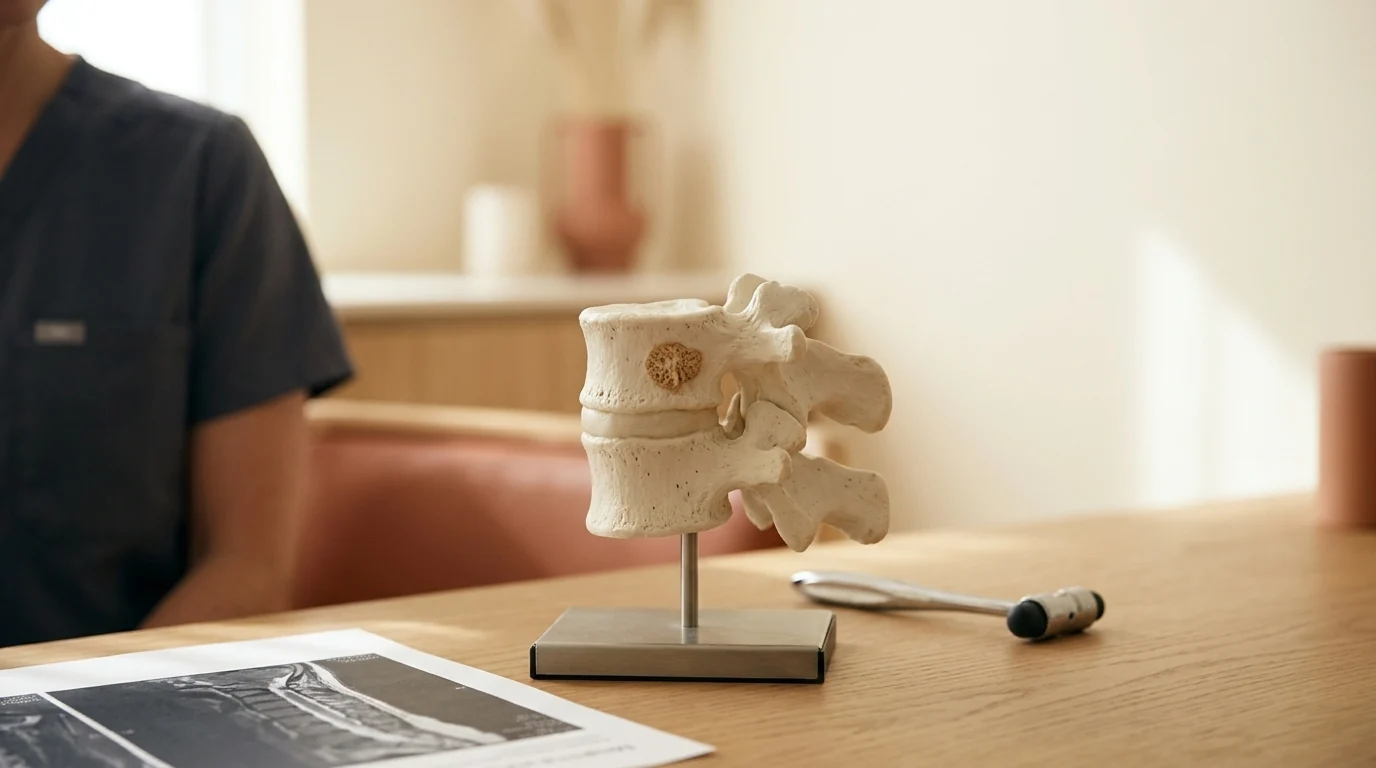
Spine Tumor Treatment
Spine tumor treatment involves advanced diagnostic and surgical techniques to remove or manage tumors, relieve symptoms, and protect spinal function.
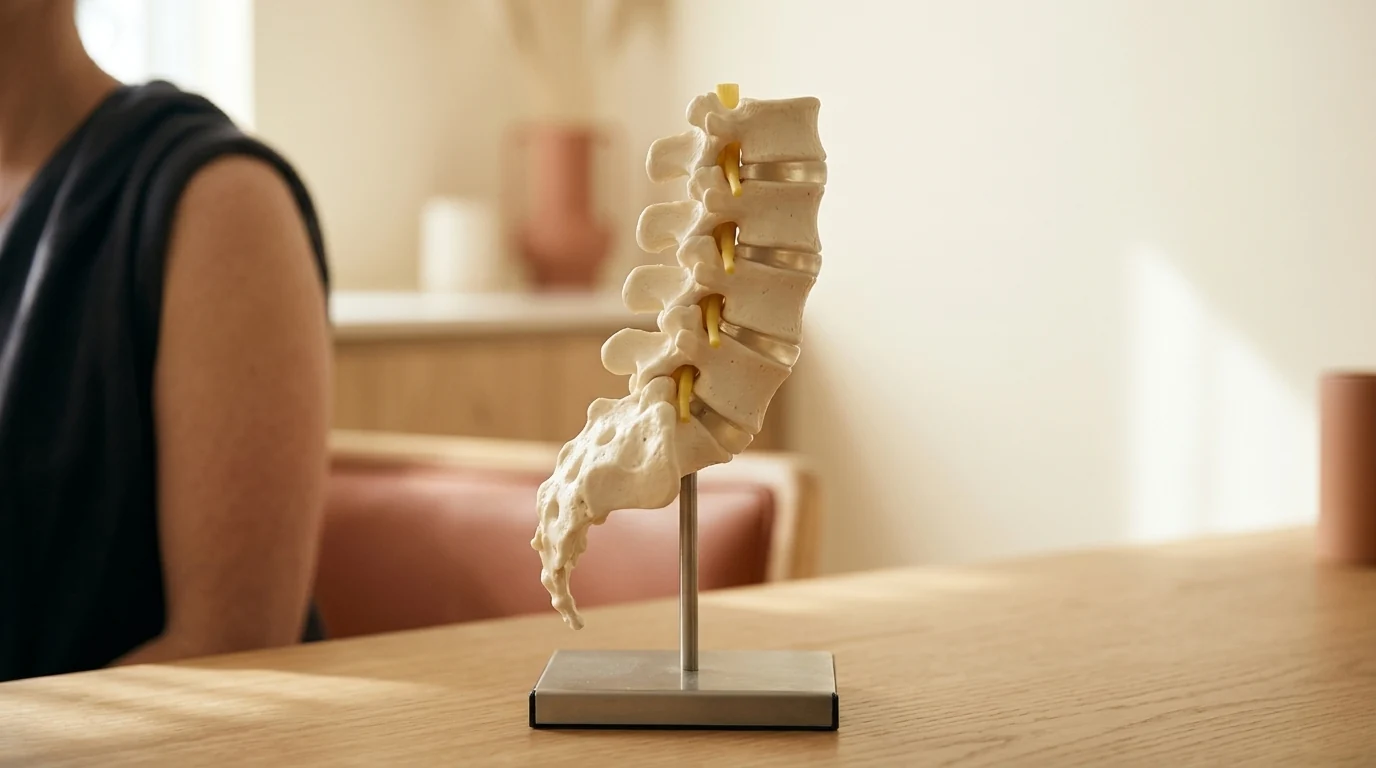
Spondylolisthesis Treatment
Spondylolisthesis treatment helps stabilize displaced vertebrae, reduce pain, improve spinal alignment, and restore mobility through personalized care.
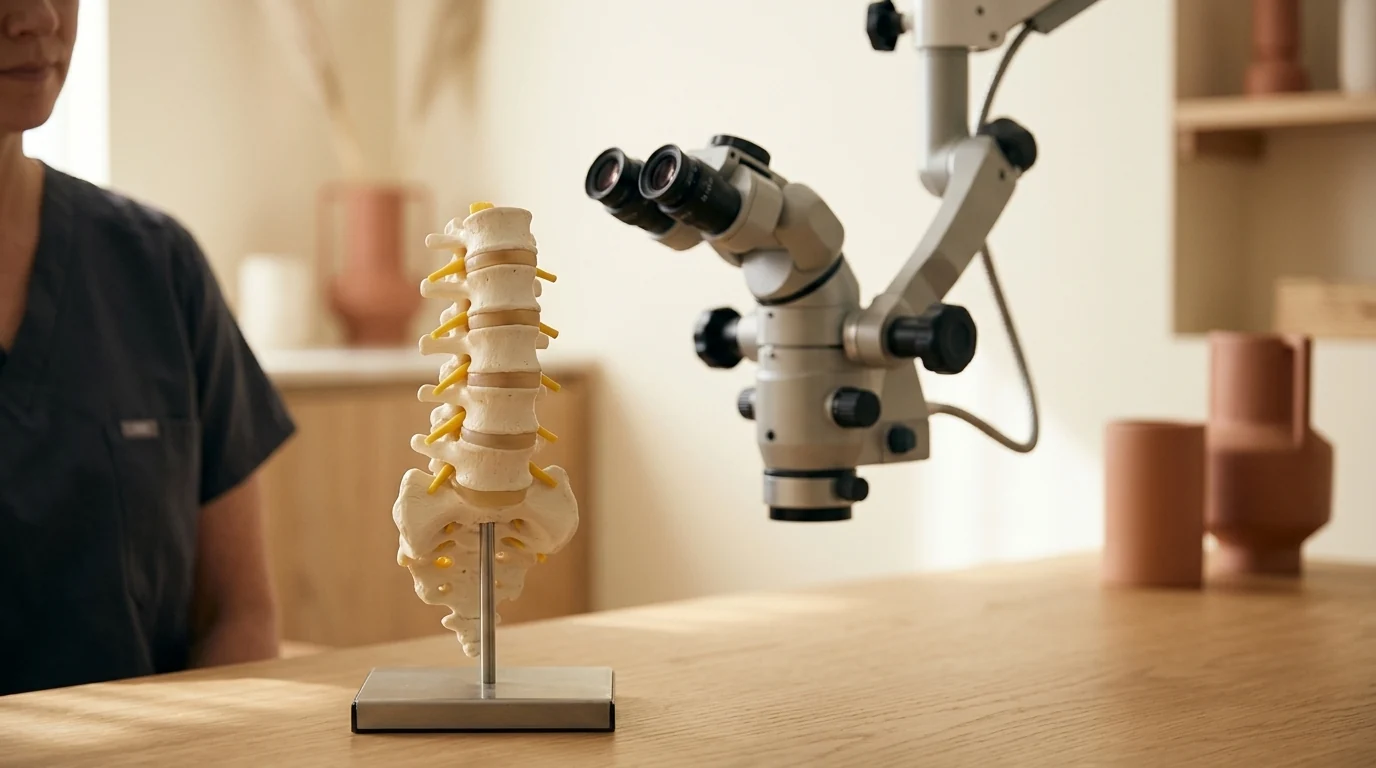
Microscopic Spine Surgery
Microscopic spine surgery uses advanced magnification and precise techniques to treat spinal conditions through smaller incisions, minimizing tissue disruption.
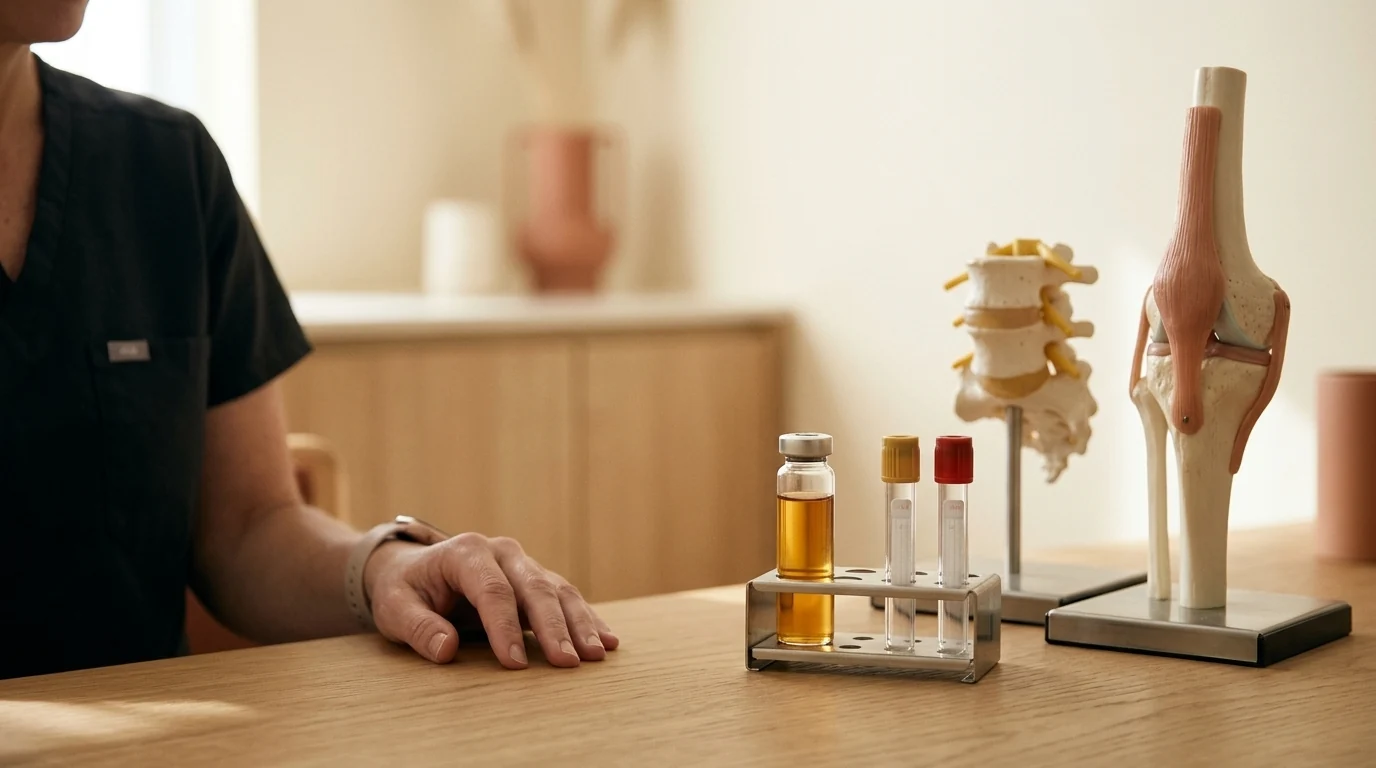
Orthobiologics
Orthobiologics use natural healing substances from the body to support tissue repair, reduce inflammation, and promote recovery.