
Minimally Invasive Microsurgery for Scoliosis: Benefits and Recovery

For many patients, the word “surgery” brings to mind long hospital stays and large incisions. However, modern advancements in orthopedic care have made minimally invasive microsurgery a primary option for treating scoliosis and other spinal conditions. By using specialized instruments and microscopic visualization, surgeons can stabilize the spine while causing significantly less disruption to the surrounding muscles and tissues.
Adult Scoliosis Treatment: Do I Really Need Surgery?

Most adults with scoliosis do not require surgery. Treatment typically begins with conservative, non-surgical options such as specialized physical therapy, core strengthening, and anti-inflammatory medications to manage discomfort. Surgery is generally reserved for severe cases where the spinal curve causes debilitating pain, nerve compression, or a significant postural deformity that affects daily mobility.
When Should I Worry About My Child’s Scoliosis? A Guide for Parents

Scoliosis is most commonly diagnosed in children between the ages of 10 and 15 during rapid growth spurts. While mild curves may only require monitoring, early intervention is critical because spinal curves are most likely to progress while a child is still growing. If you notice uneven shoulders, a protruding shoulder blade, or a tilted waistline, a specialist evaluation can determine if bracing or specialized therapy is needed to prevent future surgery.
Recovery From a Herniated Disc: Timeline, Treatment, and Long-Term Spine Health

Back and neck pain caused by a herniated disc can significantly affect mobility, comfort, and overall quality of life. Fortunately, many patients recover successfully with proper treatment and guidance from a qualified spine specialist.
Spine Surgery: When It’s Needed and How Modern Techniques Improve Outcomes

Back and neck pain affect millions of people each year, often limiting mobility, disrupting sleep, and interfering with daily activities. While many spinal conditions improve with conservative care, certain cases require specialized surgical treatment to relieve nerve compression, restore stability, and improve long-term spinal health.
Herniated Disc: Symptoms, Diagnosis, and Advanced Treatment Options
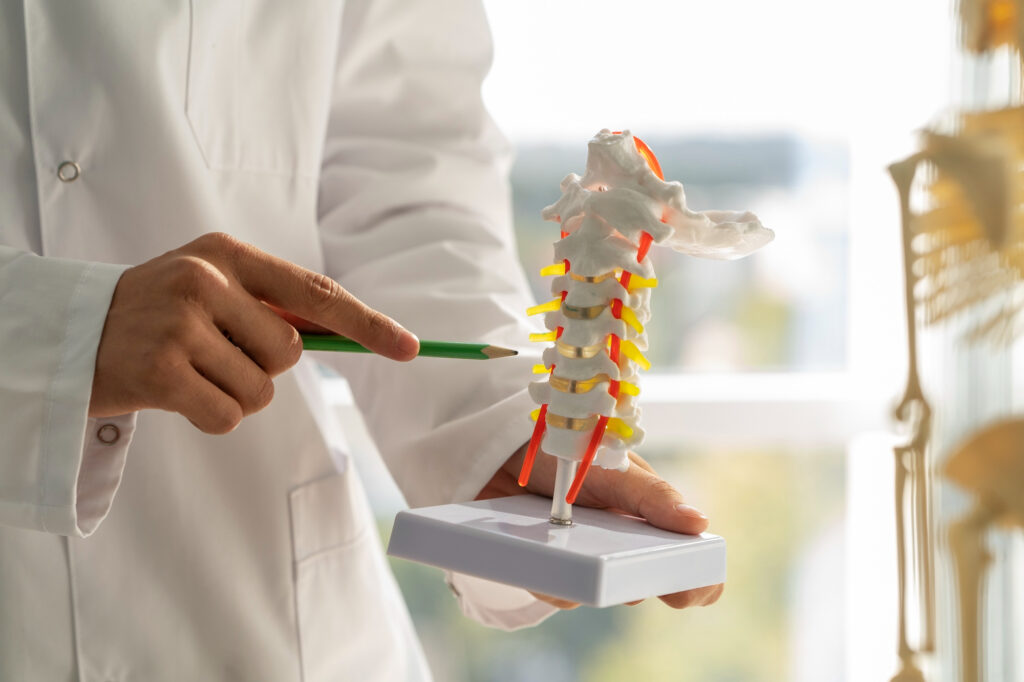
Neck and back pain are among the most common medical concerns affecting adults today. While many cases improve with conservative care, some conditions require specialized evaluation by a spine specialist. One of the most frequently diagnosed causes of persistent spinal pain is a herniated disc.