Updated
Herniated discs also have names like bulging, ruptured, or slipped discs. As one of the most common causes of back and neck pain, it’s even more surprising that you can have a herniated disc without any pain symptoms at all.
About 90% of all herniated disc cases with pain symptoms will resolve on their own to the point where you no longer feel pain or other effects. A disc repairs itself in several ways, and location can play a huge role in each case, in how you heal and how long it takes. Usually, home care and medical intervention can shorten your herniated disc recovery timeline time.
We can evaluate persistent or worsening symptoms and discuss what treatment fits your situation.
We review nonsurgical options and can discuss whether a surgical option is appropriate for your diagnosis.
To understand better how your spine works and how herniated disc pain resolves, let’s look deeper into the nature of spinal discs.
How herniated discs cause pain
Pain from herniated discs originates from compressed or irritated sensory nerve tissue, which occurs when the soft inner gel of a spinal disc breaks through a crack or weak spot in the tough outer shell.
Spinal discs contain some nerve tissue, so your pain may originate from the point of disc rupture. However, it’s more common when escaping disc gel presses on nerve roots that branch off the spinal cord and head out to the rest of your body.
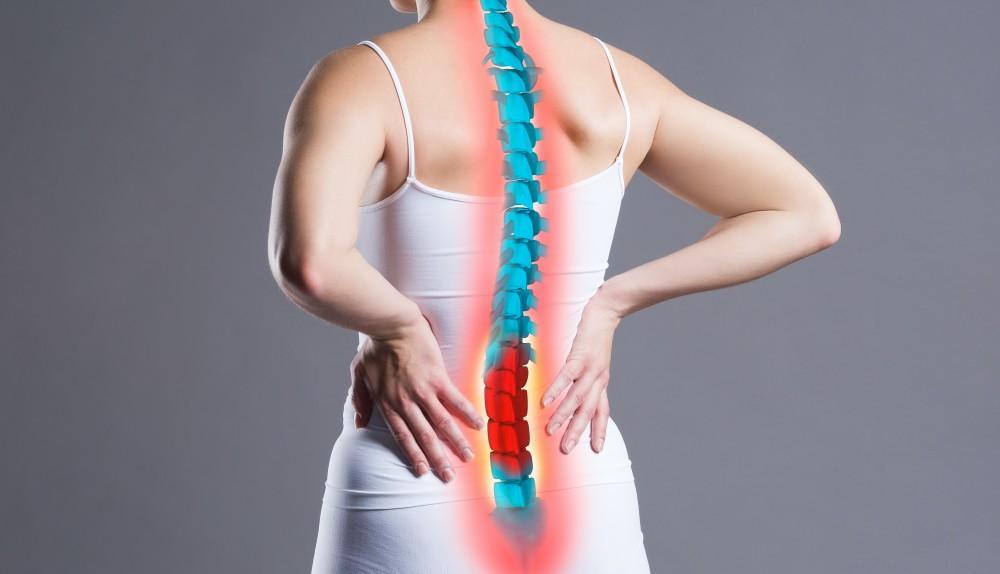
The most common locations for disc herniation are in the cervical spine (neck) and lumbar spine (lower back). When herniation causes root nerve compression, you may have symptoms along the nerve’s path or radiculopathy. Cervical herniations refer to symptoms in the arms, while a herniated lumbar disc could transmit numbness, pain, or tingling down the legs.
Natural disc healing
Your body has healing tools that repair herniated discs. Three processes may occur alone or together.
Spontaneous retraction
The escaped inner gel may sometimes retract into its usual space within a spinal disc, and the outer shell heals enough to contain the gel.
Immune system response
Pieces of the inner gel tissue can completely break away (a condition called a sequestered disc). Your body’s immune system recognizes the tissue is out of place and responds with an inflammatory process that breaks down and disposes of this foreign tissue.
Water absorption
The inner gel has a high concentration of water. Your body absorbs some of the water from the escaped tissue, causing the volume of displaced gel tissue to shrink. This process is often enough to pull the gel back from the nerve it was previously compressing.
How do I tell if my symptoms are improving?
Pick one or two activities that your symptoms affect, such as walking to the corner or sitting through a meal. Keep a short log of what you could do, where pain traveled, and whether you noticed changes in feeling or strength. Tell us which activities are getting easier and which still limit you.
Ask your clinician when to check in and which changes should bring that review forward. Bring a list of the treatments or activity changes you tried and what happened after each. The AAOS guide to a herniated disc in the lower back explains how a clinician uses your symptoms, physical examination and imaging when appropriate to evaluate the problem.
Herniations do not always hurt
It’s possible to have a herniated disc without being aware. The nerve tissue in a spinal disc isn’t spread evenly, so the rupture can open away from sensory nerves. At the same time, the escaping tissue may not come into contact with nerve roots. A doctor may discover this painless herniation during diagnostic imaging for an unrelated condition.
Request an appointment with our office or call us at 310-437-7925.
Questions to ask your physician
- How do my symptoms, exam, and any imaging fit together?
- Which activities and treatments can help while we monitor my symptoms?
- When should we reassess, what might physical therapy cost, and which changes should I report urgently?