Updated
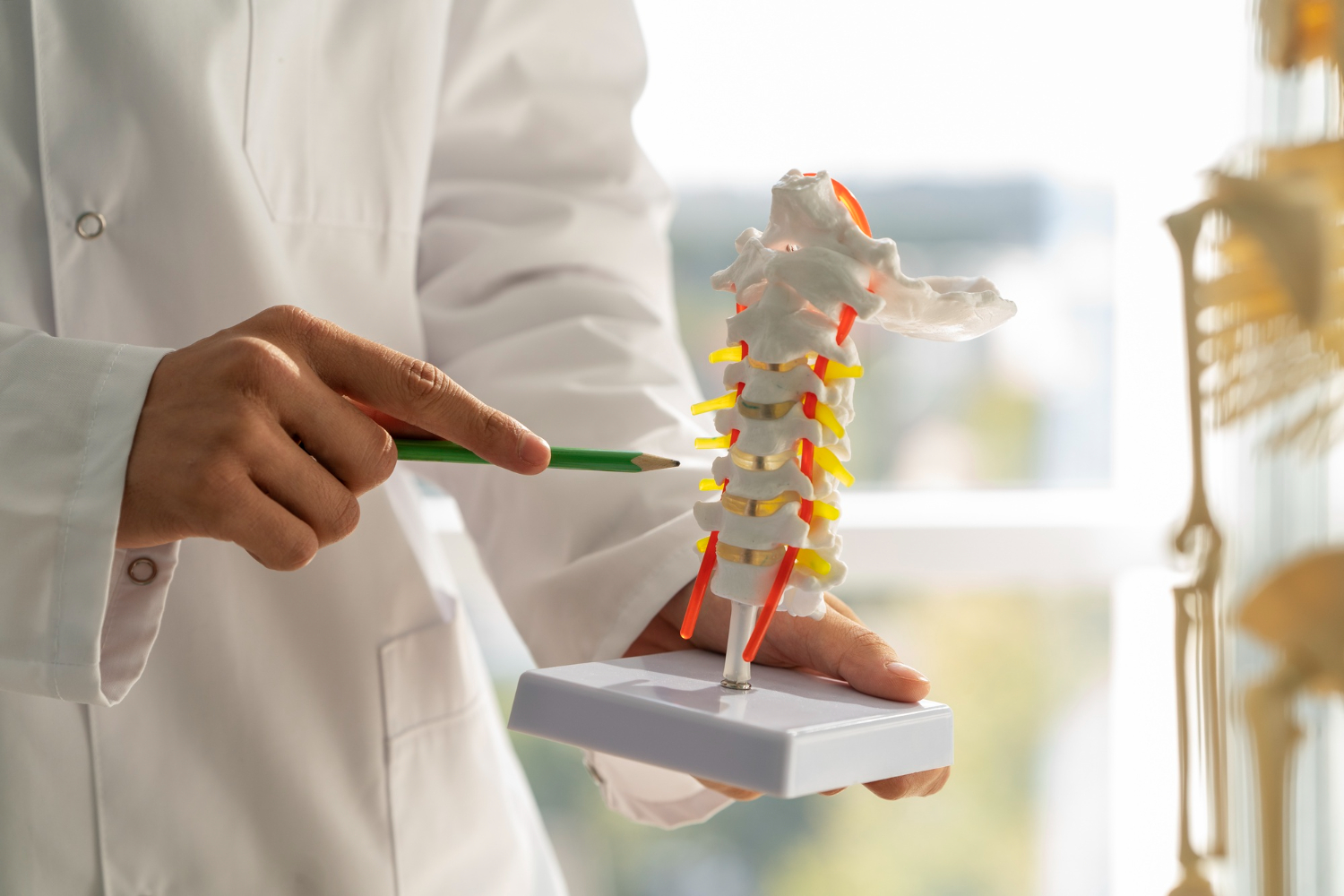
Spinal discs play a crucial role in your ability to move, spacing the vertebrae and cushioning the bones of the body support structure. When discs begin to deteriorate, you can feel pain, lose range of motion, and your quality of life starts to suffer.
We evaluate whether artificial disc replacement surgery is an option for your condition. The choice depends on your symptoms, exam and the condition of the other structures in your spine.
Four factors to discuss at a disc replacement evaluation
Eligibility depends on your diagnosis, the spinal level and the device under consideration. Ask how your symptoms, exam, imaging and previous treatments fit the option being discussed.
For examples of why criteria vary, see the FDA patient information for a cervical artificial disc and a lumbar artificial disc.
1. Previous spine surgery
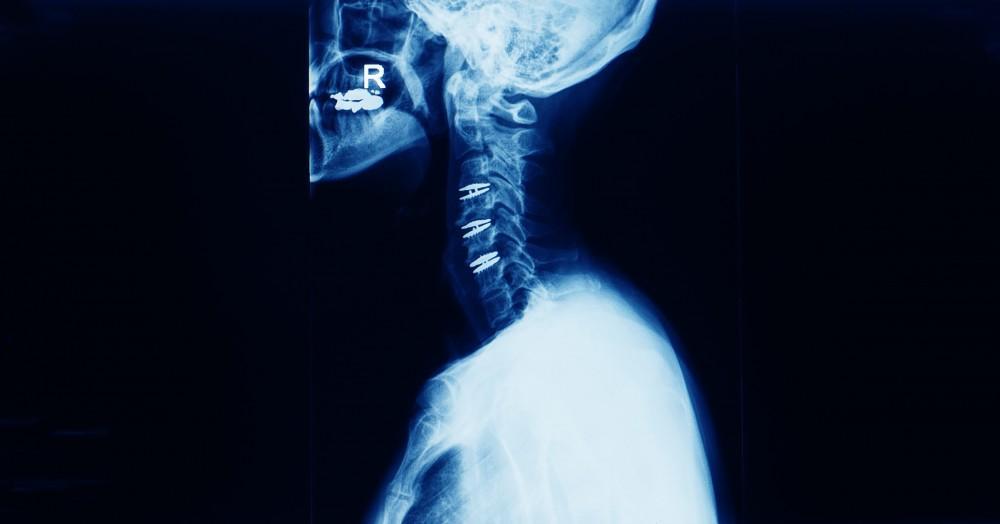
Tell your clinician about previous spine procedures, which levels were treated, and any implants you have. The earlier operation may affect what can be considered now.
2. Healthy bones and nerves
Nerve findings can mean different things for different procedures. For example, some cervical artificial discs are approved for selected people with nerve root or spinal cord symptoms. Ask how any nerve findings affect the option being discussed.
Similarly, the bone tissue of your vertebrae must be healthy to support the artificial discs. Patients with osteoporosis, for example, may not have sufficient bone density to support the prosthetic discs.
3. Overall health and surgical risk
Ask how your health history and body weight may affect the planned surgery, implant choice and recovery.
4. No spinal abnormalities
The design of artificial disc prosthetics mimics the size, shape, and function of natural discs. For patients with spinal deformities or irregularities, including scoliosis and a sideways curvature of the spine, artificial discs won’t match the unique shapes that the disorder or injury forces upon natural discs.
What would the implant be intended to do?
Ask what the operation is designed to help with, what it may leave unchanged, and what other approaches are available.
For more information, see who may not be a candidate for artificial disc replacement.
Request an appointment with our office or call us at 310-437-7925.
Questions to ask your physician
- Which exam and imaging findings make me a candidate or rule out a replacement?
- Would continuing nonsurgical care or treating the disc another way make more sense for me?
- What motion should I expect to keep and how long might it take to return to normal activities?
- If we decide on surgery, what tests, fasting instructions and type of anesthesia should I plan for? How could my other health conditions affect the plan?
- Who should give me instructions for medicines before and after surgery, including GLP-1 medicines, insulin or other diabetes medicines, and anticoagulants (blood thinners)?
- Should someone come with me, drive me home or stay with me afterward? What help will I need with daily activities?
- What costs should I ask the office, facility, anesthesia team and insurer to confirm? When will we check my recovery, and which symptoms need urgent help?