Updated
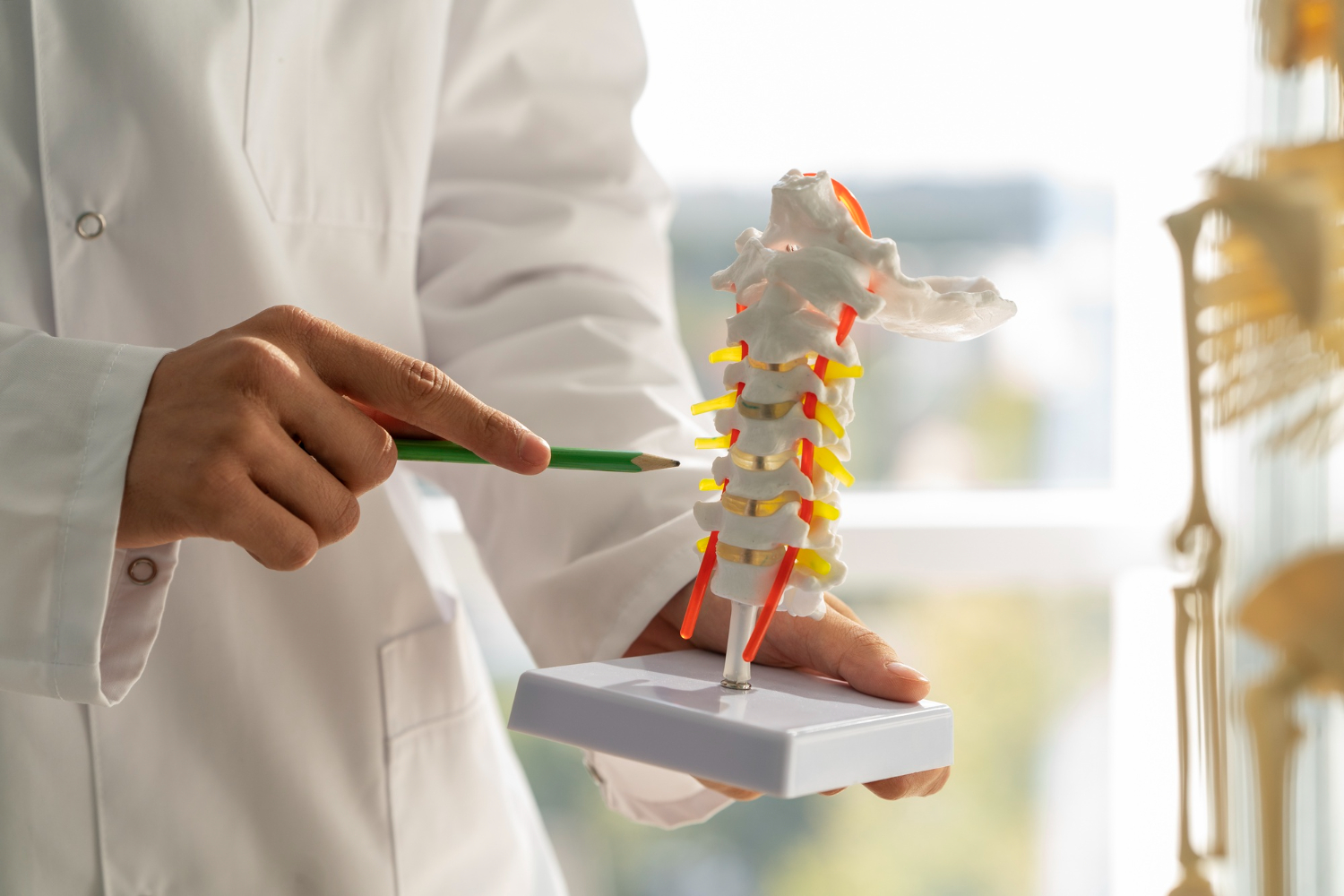
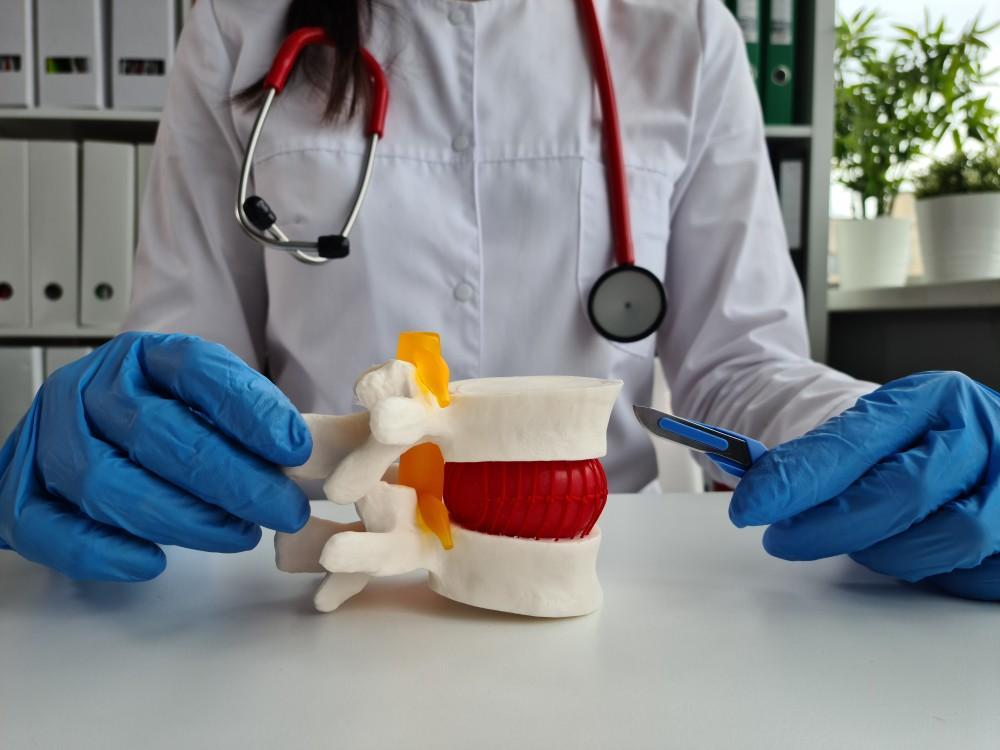
Spinal discs provide shock absorption and spacing for the vertebrae of the spine. Sometimes, these discs can fail, particularly in the lower back and neck, with the inner gel escaping the sturdy outer ring.
This failure, called disc herniation, can cause pain as well as compromise the mobility of your spine, which can also occur through natural wear and tear, a condition called degenerative disc disease.
We evaluate whether artificial disc replacement or another treatment fits your diagnosis and goals.
Artificial disc replacement isn’t suitable for all spinal disc problems or patients with lumbar or cervical disc issues. Today, we look at the artificial disc replacement process and who is — and who is not — a candidate for the procedure.
Artificial disc replacement
In artificial disc replacement, we remove the damaged disc and place an implant designed to preserve movement at that level.
The way a surgeon reaches the disc and the recovery plan depend on the level and operation.
A replacement is designed to let the treated level move. A fusion is designed to join the bones at the treated level. Ask how the goals, risks and recovery differ in your case.
Disc replacement surgery is usually done in the lower back (lumbar spine) or the neck (cervical spine), the parts of the spine most often subject to disc deterioration and herniation.
Ask your surgeon where you would recover and what help you may need after leaving the facility.
Why would I not be a candidate for artificial disc replacement?
Candidates for disc replacement procedures must meet specific criteria to ensure the best possible chances for success from the surgery. Artificial disc replacement might not be the best answer if you have certain spinal conditions or medical history elements.
If you have any of the following issues, you may not be a candidate:
- Your back pain stems from multiple locations in your spine
- A previous operation affects the level or approach under consideration
- Your overall health or body weight affects the risks for the proposed operation or implant
- You have scoliosis or other deformities of the spine
- You have significant joint disease affecting the spine
- There’s substantial nerve compression occurring in the spine
- You have a systemic (full-body) infection, including pneumonia
- There’s an infection or rash at the target area of the spine
- You are allergic to metals or other materials used in a disc prosthetic
- Your bone density is low
- You have traumatic injury damage to vertebrae
What should I ask if a replacement is unsuitable?
Ask which finding affects the decision and whether it applies to a specific implant or level. Then ask which other options fit the problem the exam and imaging identified. An artificial disc replacement consultation can help you understand the reason for the recommendation and what the alternatives might involve.
For more information, see what factors can make artificial disc replacement an option.
Request an appointment with our office or call us at 310-437-7925.
Questions to ask your physician
- What finding rules out an artificial disc for me, and which level is affected?
- How do nonsurgical care and other operations compare for my symptoms and goals?
- If another operation is an option, how will it affect movement, healing and daily tasks?
- If we decide on surgery, what tests, fasting instructions and type of anesthesia should I plan for? How could my other health conditions affect the plan?
- Who should give me instructions for medicines before and after surgery, including GLP-1 medicines, insulin or other diabetes medicines, and anticoagulants (blood thinners)?
- Should someone come with me, drive me home or stay with me afterward? What help will I need with daily activities?
- What costs should I ask the office, facility, anesthesia team and insurer to confirm? When will we check my recovery, and which symptoms need urgent help?