Updated
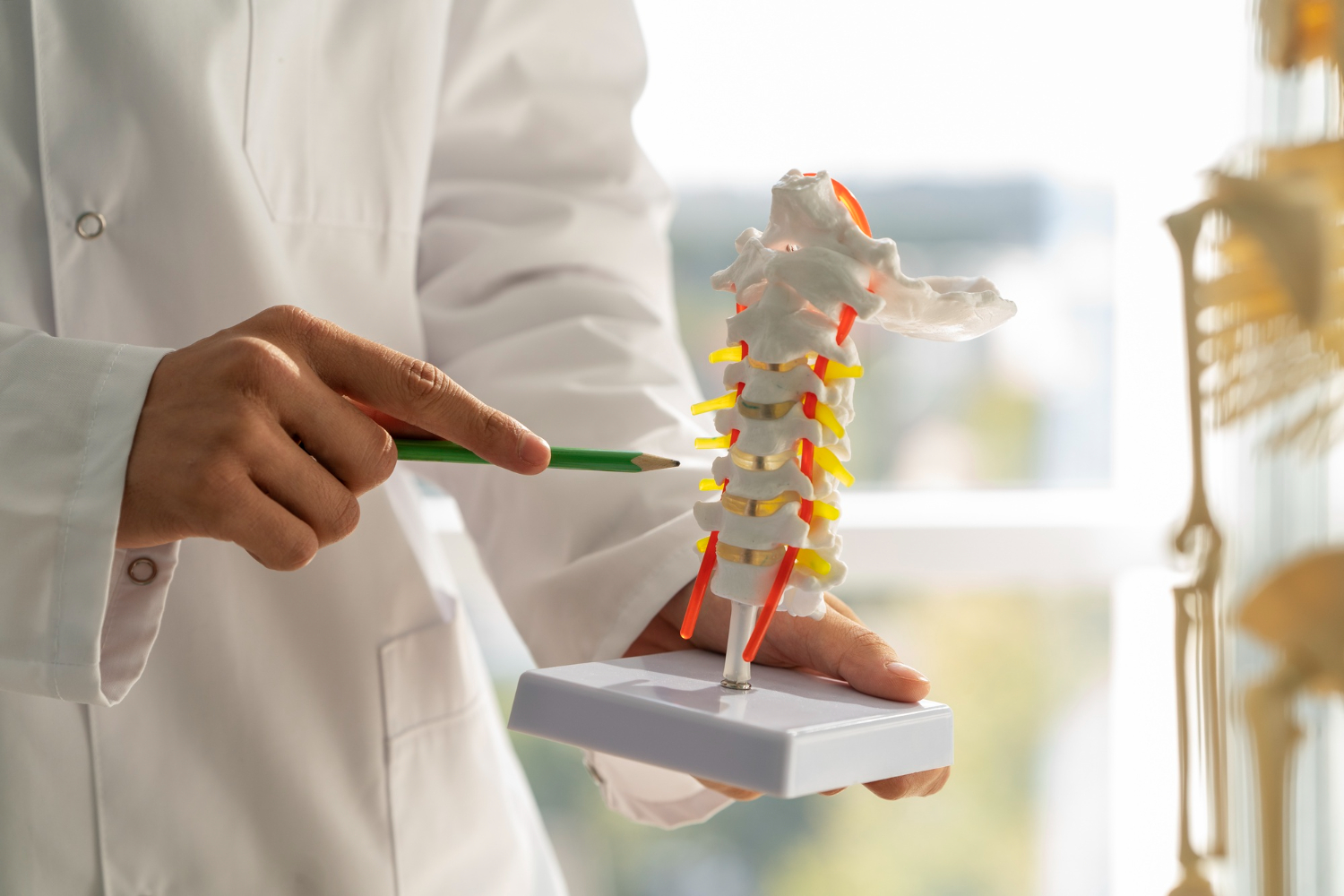
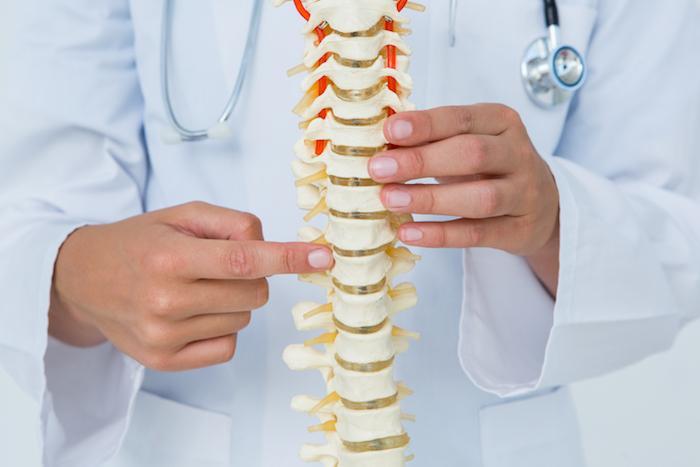
Spinal discs are the soft but tough cushions between the vertebrae of your spine. As well as acting as shock absorbers, these disks also provide the space necessary for the vertebrae to move.
Deterioration of spinal discs can cause neck and back pain, depending on the region of the spine affected. When your pain doesn’t respond to conservative treatment, you may need surgery to reduce your pain.
Traditionally, spinal fusion was the go-to method to stabilize the spine, a procedure allowing adjacent vertebrae to grow bone between them. While often effective at reducing pain, fusion limits spinal movement.
We offer artificial disc replacement surgery, which replaces a damaged disc with an implant designed to keep movement at the treated level.
Today, we explore disc replacement surgery and four signs you’d benefit from such a procedure.
Degenerative disc disease
Any wearing down of spinal discs might get classed as degenerative disc disease. It’s a normal part of aging, and everyone over 40 has some level of degeneration. In about 5% of those people, neck or back pain becomes a problem.
As well as age-related moisture loss and tissue degeneration, back injuries, physically demanding occupations, being overweight, and smoking can also cause or accelerate the decline of spinal disc tissue.
Besides pain, symptoms of degenerative disc disease can include:
- Numbness or tingling in your arms, hands, or legs
- Pain that radiates away from the spine, such as sciatica
- Muscle weakness in the arms or legs
- Restricted motion involving twists of the spine
Pain symptoms can be constant; they may come and go or worsen when you perform specific movements like bending, lifting, or sitting.
Artificial disc replacement surgery
A natural spinal disc has two primary components – the annulus, the tough outer shell, and the gel-like nucleus it contains. Together, these tissues provide movement and cushion the bones of the spine against forces created by movement.
Artificial disc replacement surgery removes the natural disc and substitutes a prosthesis for the natural tissue. The artificial disc maintains vertebrae spacing while allowing movement like a natural disc.
Four signs you would benefit from disc replacement surgery
Some patients have a better chance of success from disc replacement surgery than others. Much depends on your unique condition. Common assessment points for disc replacement surgery candidates include these four conditions.
1. Nonsurgical treatments have failed
If nonsurgical care has brought too little relief, we can review your symptoms and test results with you to see if surgery is worth considering.
2. Degenerative disc disease is confirmed
CT and MRI scans can visualize soft tissue, including spinal discs, making it possible to diagnose degenerative disc disease. Disc replacement surgery is more likely after this diagnosis.
3. Referred pain is present
Pain from a problem disc in your neck can send pain signals into your arms and hands. When the problem is in your lower back, you feel these in your feet and legs. These symptoms, called referred pain or radicular pain, may play a role in recommending disc replacement.
4. You are a good candidate for surgery
Your ability to recover from surgery is a critical factor. Your spine must be fully mature with no bone growth remaining, and you must be in good overall health. You can improve your chances successfully by quitting smoking or losing excess weight.
What should I bring to a disc replacement evaluation?
Bring any available scan images and reports, a list of treatments you have tried and what they changed, and records of any prior spine operation. At an artificial disc replacement evaluation, ask which level the clinician thinks may explain your symptoms and what other options fit your goals.
For more information, see who may not be a candidate for artificial disc replacement.
Request an appointment with our office or call us at 310-437-7925.
Questions to ask your physician
- Which disc and exam findings explain my symptoms?
- What nonsurgical options are left, and how do disc replacement and fusion compare for me?
- What would recovery mean for driving, lifting and returning to work?
- If we decide on surgery, what tests, fasting instructions and type of anesthesia should I plan for? How could my other health conditions affect the plan?
- Who should give me instructions for medicines before and after surgery, including GLP-1 medicines, insulin or other diabetes medicines, and anticoagulants (blood thinners)?
- Should someone come with me, drive me home or stay with me afterward? What help will I need with daily activities?
- What costs should I ask the office, facility, anesthesia team and insurer to confirm? When will we check my recovery, and which symptoms need urgent help?