Updated
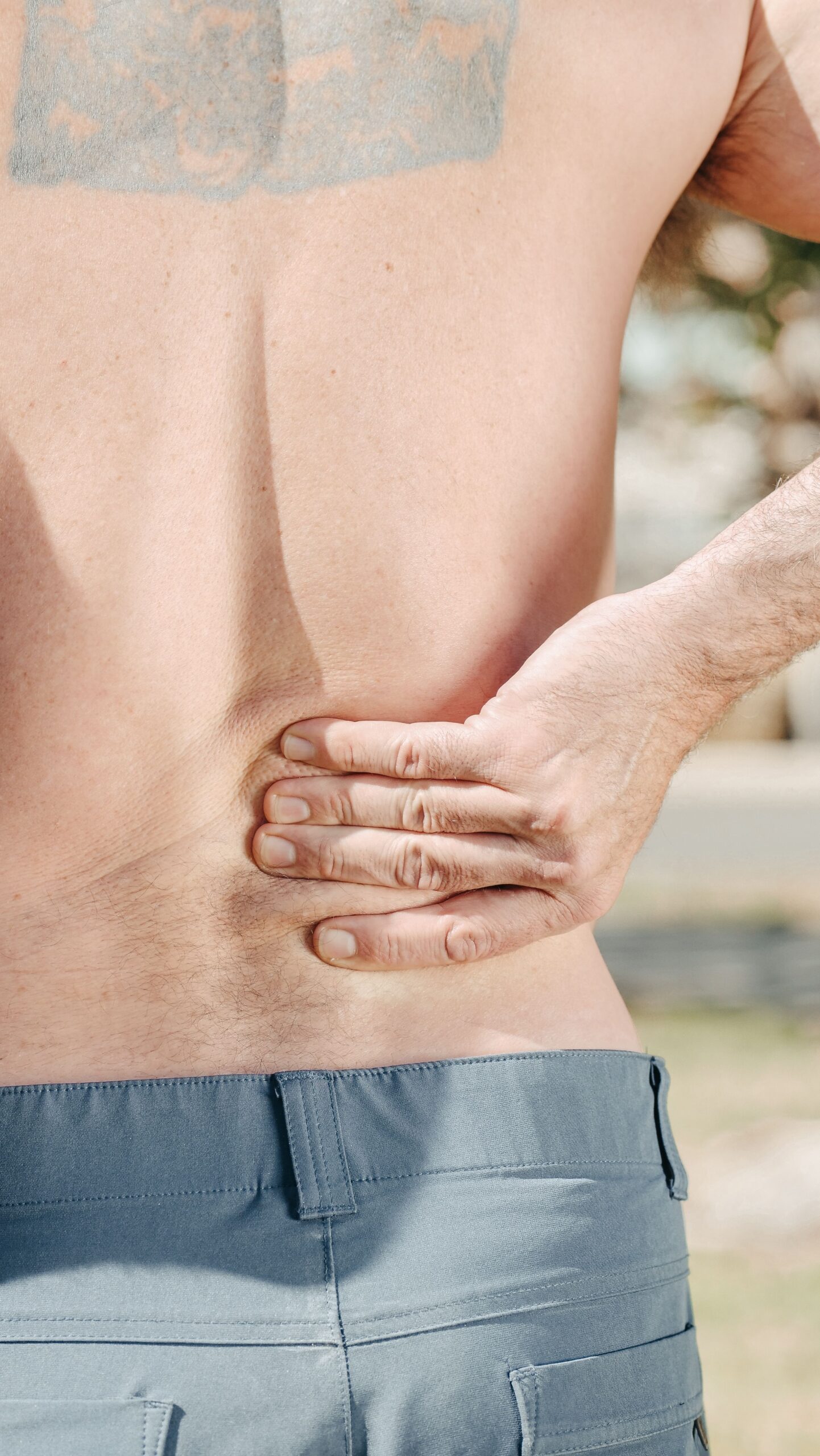
Lower back pain is the most common cause of disability worldwide, affecting nearly 620 million people, almost twice the population of the United States, according to the World Health Organization (WHO).
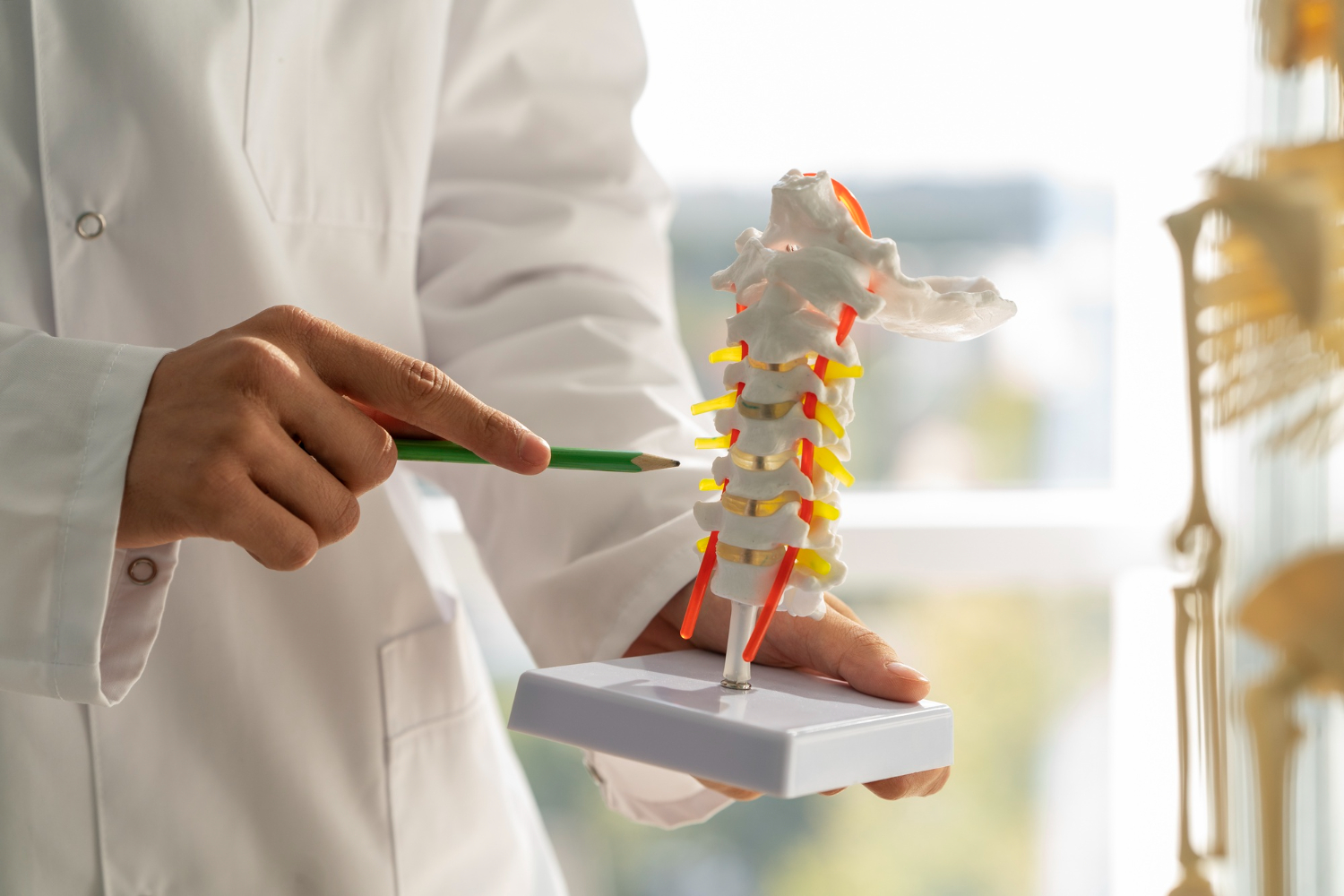
A frequent reason for lower back pain is a condition called spondylolisthesis. Spondylolisthesis occurs when one vertebrae moves out of position and onto the vertebrae below it. This excessive movement can compress nerve tissue, resulting in nerve and leg pain.
Mild cases of spondylolisthesis may successfully respond to nonsurgical treatment. However, there are times when a surgical solution is the best way to find relief and stability in your lower back.
We evaluate spondylolisthesis and discuss treatment based on the slip, symptoms and exam findings.
When is spondylolisthesis surgery necessary?
We discuss nonsurgical care when appropriate and may consider surgery if it offers a reasonable path to symptom relief.
Surgical approaches may also come into play if spondylolisthesis affects a patient’s posture or the function of the lower spine. Spondylolisthesis can also affect bladder and bowel function in rare cases. When this occurs, surgery becomes more urgent.
Goals for surgery
If you choose surgery, we plan it around your condition and the results of earlier treatment.
We discuss the goals for reducing nerve pressure or stabilizing the spine and whether minimally invasive surgical methods fit.
What to expect from spondylolisthesis surgery
To meet the goals of surgery, you may undergo procedures to relieve nerve compression. This can involve removing part of the lamina — a section of vertebral bone — to make more room for crowded nerve tissue.
Enlarging an opening called the foramen can also make room for a nerve. We discuss which steps would help in your case.
Stabilization of the spine, the second goal of surgery, usually takes the form of a fusion, a procedure connecting adjacent vertebrae using hardware like rods and screws as well as bone grafts. Eventually, the two vertebrae grow together to form a stable, single unit.
After your procedure, you typically rest in the hospital for a few days so medical staff can monitor the early stages of healing. Most patients are discharged within a week and can walk, though some may need assistive devices.
For up to 10 weeks after surgery, you keep physical activity to a minimum, avoiding high-impact activities as your spine stabilizes. Light activity, including walking and physical therapy exercises, encourages healing and building post-surgery strength. Physical therapy usually starts around the 10-week mark.
We’ll discuss follow-up and how long you may need to continue your exercises.
For more information, see our spondylolisthesis surgery service and our spine surgery second opinion checklist.
Request an appointment with our office or call us at 310-437-7925.
Questions about your operation and recovery plan
- Which level would you treat, and is the goal to make room for a nerve, stabilize the level, or both?
- What would progress look like for walking, daily tasks and work?
- When and with whom will I review my activity limits and discuss changes in symptoms?
Questions to ask your physician
- How much has the vertebra slipped, and which findings link the slip to my symptoms?
- What are my nonsurgical options? If surgery is recommended, what would decompression or fusion each accomplish?
- When can I walk farther, lift, drive or return to work, and how do we track healing?
- If we decide on surgery, what tests, fasting instructions and type of anesthesia should I plan for? How could my other health conditions affect the plan?
- Who should give me instructions for medicines before and after surgery, including GLP-1 medicines, insulin or other diabetes medicines, and anticoagulants (blood thinners)?
- Should someone come with me, drive me home or stay with me afterward? What help will I need with daily activities?
- What costs should I ask the office, facility, anesthesia team and insurer to confirm? When will we check my recovery, and which symptoms need urgent help?