Updated
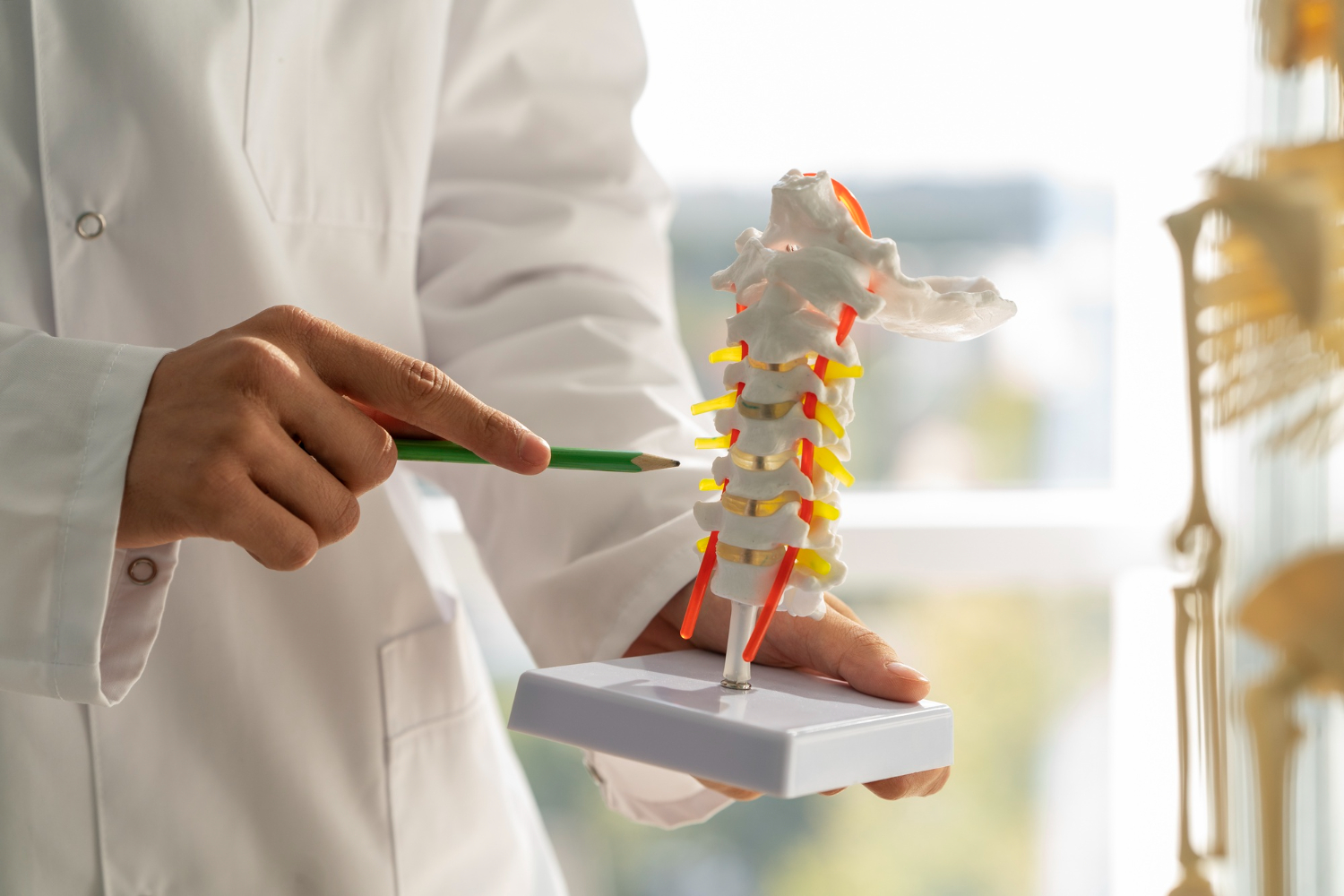
Back pain is universal, something that virtually everyone experiences in their lifetime. However, many people rest and change their routines, and the pain is gone. It’s different for those with chronic pain.
At an endoscopic spine surgery evaluation, we can discuss where the approach fits among your options.
The right approach depends on whether an operation can treat the source of your symptoms.
Defining chronic pain
The most common causes of back pain usually stem from muscle strain, traumatic injury, or anatomical problems with the spine; however, it’s also possible for pain to stem from rheumatic or systemic disorders. When the pain lasts longer than three months, with or without treatment, it’s usually considered chronic.
Due to the complexity of the spine and its support tissues, there are many individual reasons for back pain. Sometimes, causes are idiopathic, meaning that the reasons for chronic pain might not be known or poorly understood.
Complexity is also a reason why chronic back pain is hard to treat. Some patients have pain that lingers on, even after the physical reasons have healed.
Endoscopic surgery
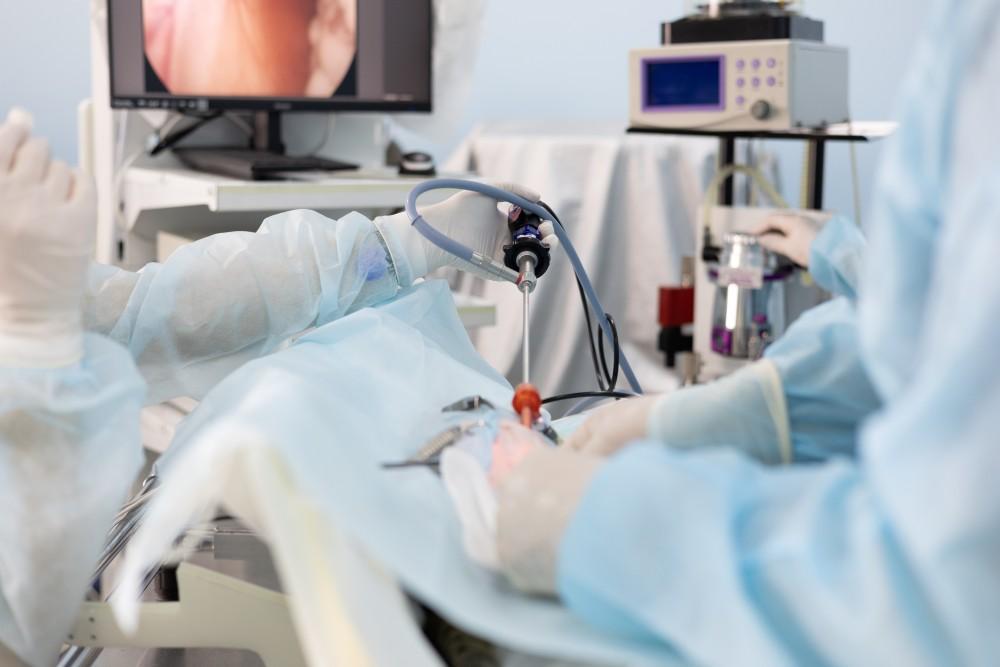
Endoscopic surgery is any procedure that uses an endoscope, a medical device that takes photos or videos of the inside of your body. Its construction is that of a narrow tube that enters your body through a small incision.
The endoscope may permit special surgical instruments through its tube, or similar incisions can allow access to alter the tissue and address the problems behind chronic pain.
We consider whether an endoscopic approach is appropriate when nonsurgical care hasn’t brought enough relief.
When is endoscopic spine surgery considered?
We review where your symptoms travel, what the exam shows, and whether imaging points to a problem surgery can address. Tell us which treatments you tried and what changed. Ask what the proposed operation could help with and whether your other symptoms may need a different plan.
What benefits and risks should I ask about?
The BMJ study of a specific endoscopic technique for a lower-back herniated disc compared it with open microdiscectomy. This is one example of why the diagnosis and the exact procedure matter. Ask how the options compare for your symptoms, surgical risks and recovery needs.
For more information, see what to expect after endoscopic surgery and our minimally invasive spine surgery options.
Request an appointment with our office or call us at 310-437-7925.
Questions to ask your physician
- What part of my spine is causing the pain and what would an endoscopic procedure address?
- Which nonsurgical or other surgical options remain, and what improvement is realistic?
- How will I manage pain after the procedure, and when can I resume driving and work?
- If we decide on surgery, what tests, fasting instructions and type of anesthesia should I plan for? How could my other health conditions affect the plan?
- Who should give me instructions for medicines before and after surgery, including GLP-1 medicines, insulin or other diabetes medicines, and anticoagulants (blood thinners)?
- Should someone come with me, drive me home or stay with me afterward? What help will I need with daily activities?
- What costs should I ask the office, facility, anesthesia team and insurer to confirm? When will we check my recovery, and which symptoms need urgent help?