Updated
You might be surprised to learn that the first endoscope, a vital tool used in minimally invasive surgeries, dates back to the mid-19th century. Endoscopic surgical techniques didn’t blossom until the miniaturization of video equipment arrived in the late 1980s.
We help you prepare for recovery after endoscopic spine surgery and discuss what to expect for your procedure.
Endoscopy basics
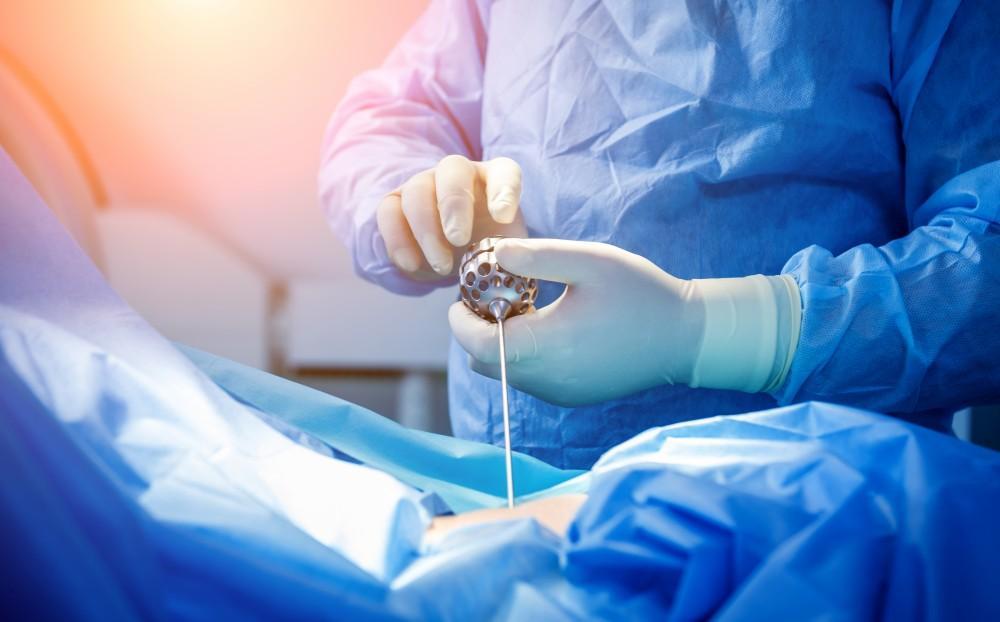
An endoscope is a thin tube with a camera and light. In endoscopic spine surgery, it gives us a view of the area we are treating.
The approach and incision depend on the part of the spine being treated.
We can use small instruments through the endoscope incision or a nearby opening, depending on the procedure.
The benefits of endoscopic surgery
An endoscopic approach uses a small incision. Ask us what this means for your procedure and how we would compare it with other approaches.
An endoscope helps us see the area being treated.
Ask what risks and recovery needs apply to your operation. The size of the incision is one part of that discussion.
What to expect after endoscopic surgery
We can tell you whether you’ll go home the same day, what anesthesia is planned and what to expect before discharge.
Long-acting numbing medications are often used during surgery to ensure comfort immediately after your procedure and into the early stages of recovery. There can be irritation and soreness, as you likely had tissue removed from your spine, though this might be offset by relief from nerve compression, depending on your condition and procedure.
We’ll go over the pain plan for your procedure, including which medicines or cold packs are appropriate for you.
We’ll explain your activity limits and when to ask about returning to your usual activities.
Endoscopic spine surgery is still a surgical procedure, so there are risks and the potential for complications, but endoscopy does make a difference.
Recovery milestones to discuss with your care team
Ask for a plan that accounts for your procedure and what your normal day involves. This patient recovery guide from Guy’s and St Thomas’ NHS Foundation Trust covers walking and everyday activity after lower-back decompression or discectomy. Follow the instructions from the team that treated you.
- Before discharge. Ask who can take you home, what help to arrange, and where to find your written instructions.
- Daily activities. Ask how to plan walking, showering and dressing changes. Tell us about stairs and other tasks you’ll need to manage at home.
- Driving, lifting and work. Describe your commute and work duties. Ask which restrictions apply and when someone will reassess them.
- Follow-up. Confirm when to check in, what changes to report and whom to contact if you need help after hours.
For more information, see how microdiscectomy and endoscopic recovery compare.
Request an appointment with our office or call us at 310-437-7925.
Questions to ask your physician
- What did the procedure treat, and which symptoms should change over time?
- How should I care for the incision and manage pain, and when can I shower, drive or return to work?
- Which symptoms can wait until the next visit and which require urgent help, including after hours?
- What anesthesia did I receive, and does it affect my first day at home?
- When should I restart my usual medicines, including diabetes medicines, GLP-1 medicines or blood thinners? Who will advise me if I have other health conditions?
- Do I need a ride or someone with me at home, and for how long? What follow-up visits and costs should I plan for?